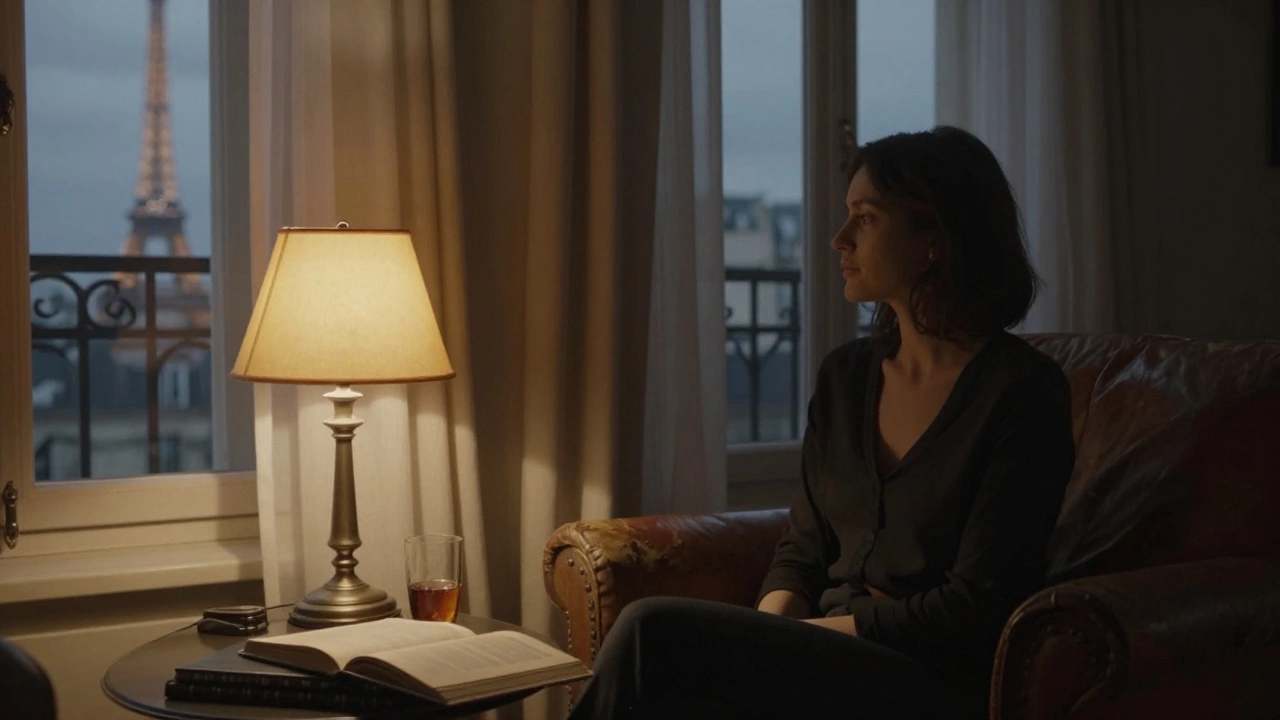
Frankie James isn’t just another name on a list. She’s the kind of presence that changes the room without saying a word - calm, confident, and quietly magnetic. When people talk about an escort di who turns an evening into something unforgettable, Frankie’s name comes up. Not because she’s loud or flashy, but because she knows how to listen, how to be present, and how to make someone feel seen in a world that rarely stops to look. Her work in Paris isn’t about transactions. It’s about connection - the kind that lingers long after the night ends.
There’s a myth that these kinds of encounters are purely physical. That’s not true. For many, what they’re really searching for is intimacy without obligation. A laugh that feels real. A conversation that doesn’t end at midnight. A touch that doesn’t come with strings. That’s what Frankie offers. She doesn’t sell time. She sells presence. And in a city like Paris, where romance is expected but rarely delivered authentically, that’s rare.
What Makes a Paris Escort Different?
Not every escort in Paris is the same. Some work in high-end apartments near the Champs-Élysées. Others meet clients in quiet cafés in Montmartre. Frankie does both. But what sets her apart isn’t the location - it’s the intention. She doesn’t treat clients like numbers. She remembers names. She asks follow-up questions. She knows if you mentioned last time that you missed your sister’s wedding, and she’ll ask how things turned out. That’s not scripted. That’s human.
There’s also a difference between a sex escort and someone who understands emotional space. The former is transactional. The latter is relational. Frankie doesn’t shy away from physical intimacy, but she doesn’t reduce it to a checklist. It’s part of a larger experience - one that includes wine, music, silence, and sometimes just walking along the Seine without talking at all.
The Rise of Virtual Intimacy
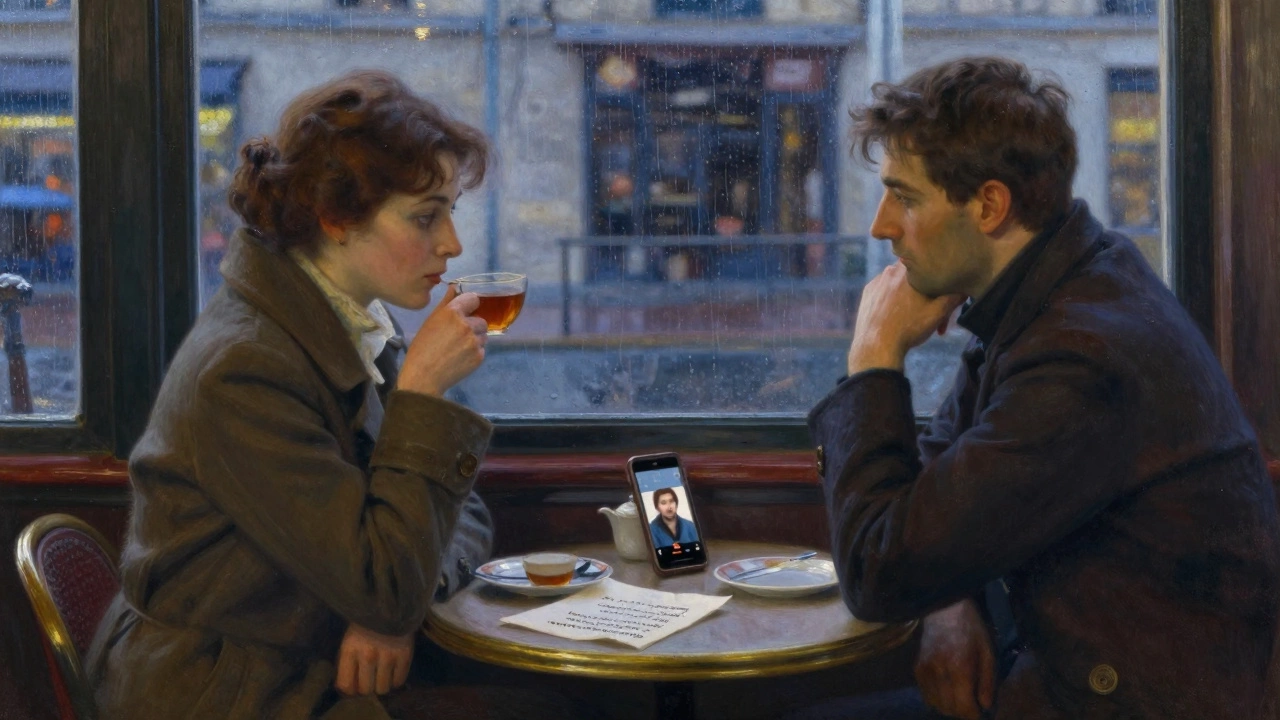
These days, more people are turning to escort in videochiamata - not because they can’t afford in-person meetings, but because they crave connection without the pressure of physical presence. A late-night call after a long day at work. A quiet voice saying, “I’m here.” That’s powerful. It’s not a replacement for real interaction - it’s a different kind of intimacy. One that fits into busy lives, long-distance relationships, or simply moments when you need to feel less alone.
Frankie offers this too. Her video sessions aren’t performances. They’re conversations. Sometimes she reads poetry. Sometimes she just lets you talk. She doesn’t charge more for video. She charges less for the illusion of control. You don’t need to dress up. You don’t need to pretend. You just need to be real.
The Misconceptions
People assume that if you’re an escort, you must have a dark past, a troubled childhood, or a lack of options. That’s not the story here. Frankie studied literature in Lyon. She speaks four languages. She volunteers at a women’s shelter on weekends. She doesn’t hide her past - she just doesn’t let it define her present. She chose this path because it gave her autonomy, flexibility, and the ability to help people in ways traditional jobs never could.
There’s also the stigma. The whispers. The judgment from people who’ve never met someone like her. But those who have - the ones who’ve sat across from her in a dimly lit room, shared a bottle of Bordeaux, and left feeling lighter - they don’t talk about her in terms of morality. They talk about her in terms of healing.
Why This Isn’t Just About Sex
Loneliness isn’t a trend. It’s a crisis. Studies show that over 40% of adults in major European cities report feeling isolated on a weekly basis. That’s not just sadness. That’s a public health issue. And while therapy and support groups help, they don’t always fill the gap. Sometimes, people need someone who doesn’t have a stake in fixing them - someone who just wants to be with them, exactly as they are.
That’s where sex escort becomes more than a label. It becomes a quiet act of resistance against a world that tells you you’re not enough unless you’re partnered, productive, or perfect. Frankie doesn’t fix people. She doesn’t judge them. She just shows up. And for some, that’s the most healing thing they’ve experienced in years.

How to Approach This With Respect
If you’re considering reaching out, here’s the truth: you’re not entitled to her time. You’re not owed her attention. You’re not her project. You’re a guest in her space - whether it’s a Parisian apartment or a video call from your living room. Show up on time. Be honest. Don’t try to negotiate. Don’t ask for discounts. Don’t push boundaries. She’s not a commodity. She’s a person.
And if you’re wondering whether this is “right” or “wrong”? That’s not her job to answer. It’s yours. But ask yourself this: Would you treat someone like this if they worked at a hospital, a school, or a café? If the answer is no, maybe the problem isn’t the job. Maybe it’s the stigma.
What Comes After?
Frankie doesn’t keep in touch after sessions. Not because she’s cold - but because she knows how fragile these moments are. Too much attachment ruins the balance. But sometimes, people send letters. A postcard from Berlin. A poem they wrote. A photo of their dog. She keeps them all in a box under her bed. Not as trophies. As reminders.
That’s the thing about this kind of work. It doesn’t change the world. But it changes individuals. One night. One conversation. One quiet moment of being truly seen.